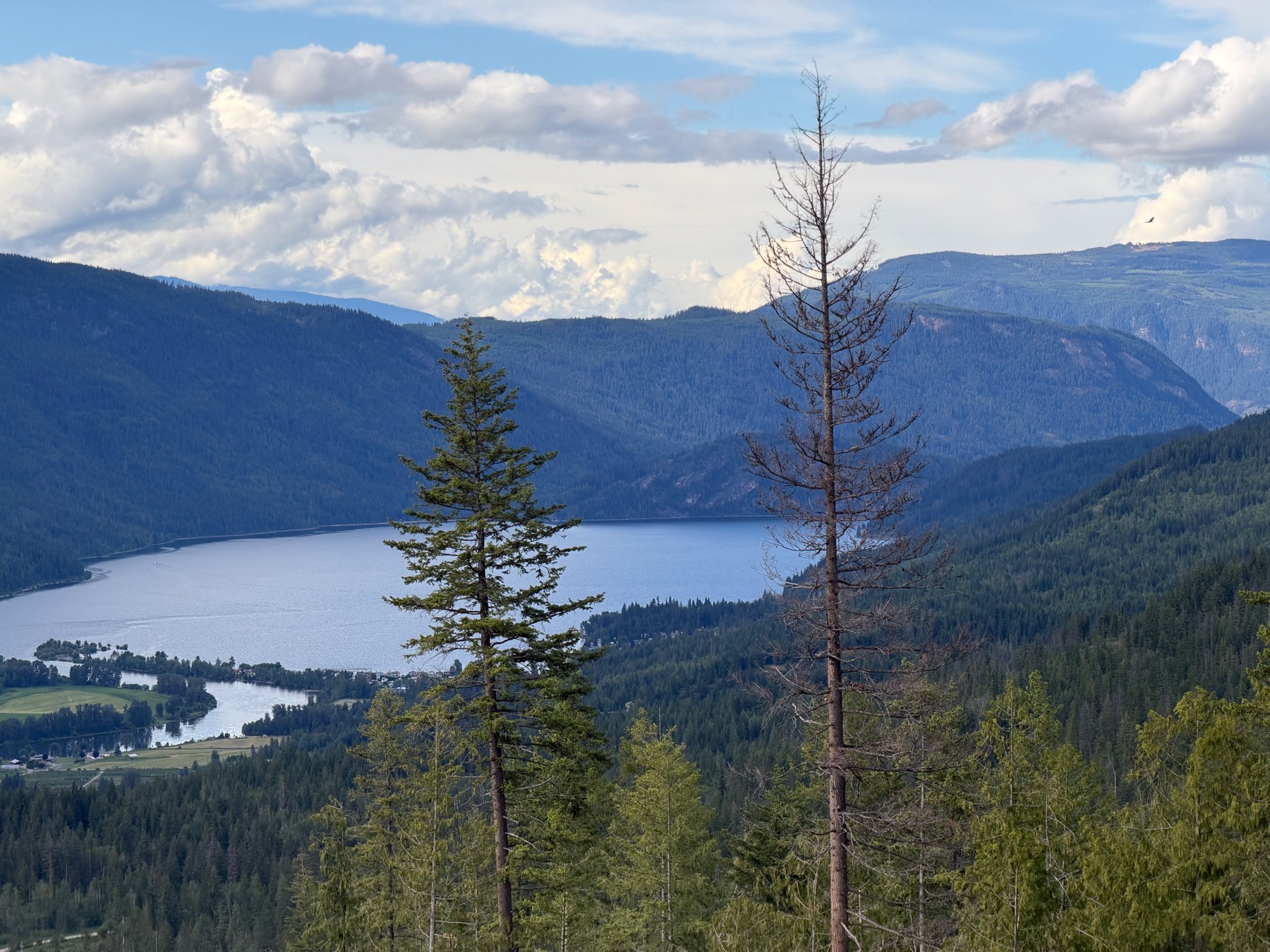
Generations of farmers — from more families than ours — shaped Windrose out of the slopes and
timber. Flat land was limited and rocks were not, so each of them did their part hauling stones,
large and small, to the piles at the field edges. They sit mossy now, like little memorials to
past generations' work. If you see a rock, you too can take part in the process.
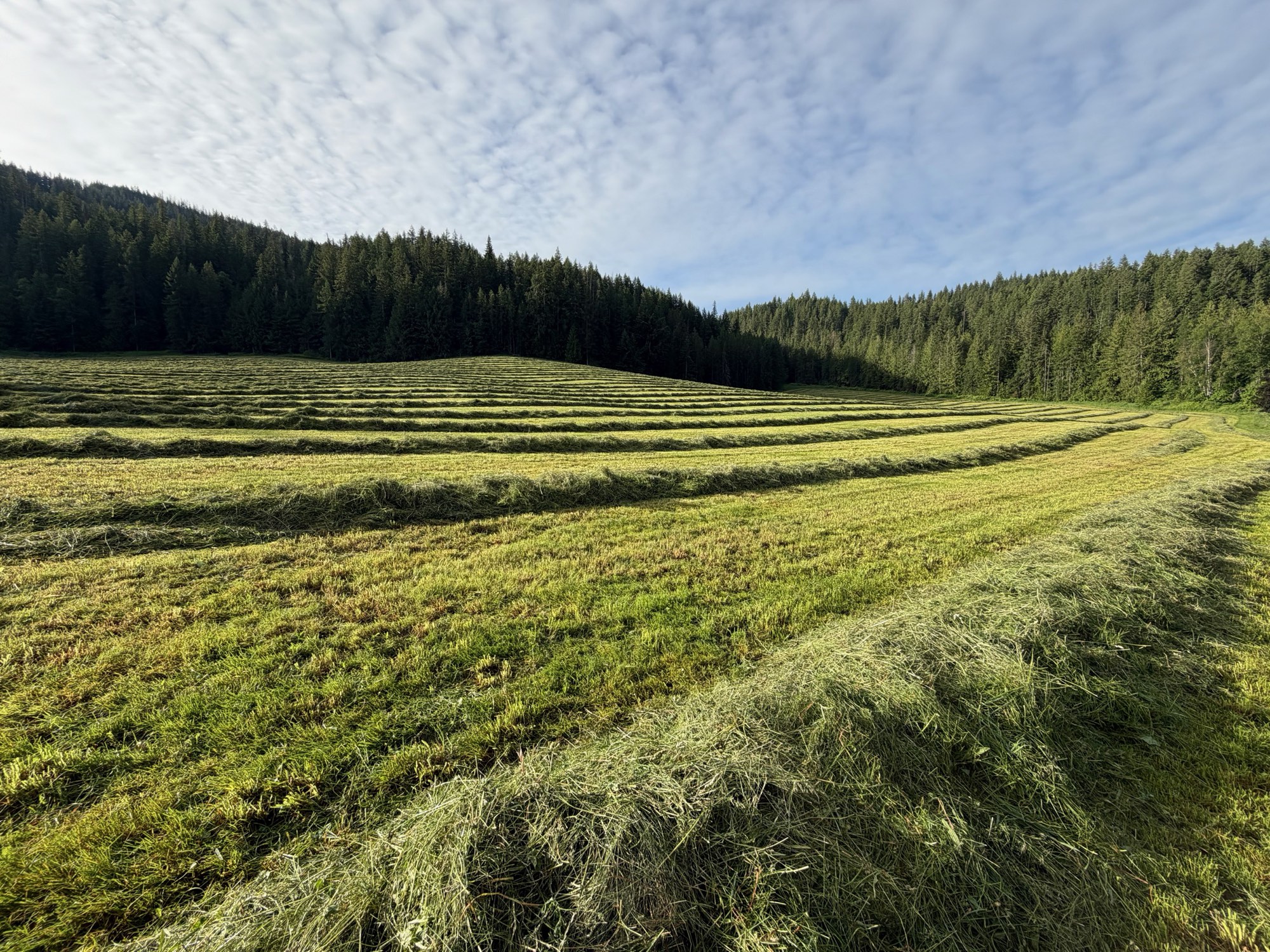
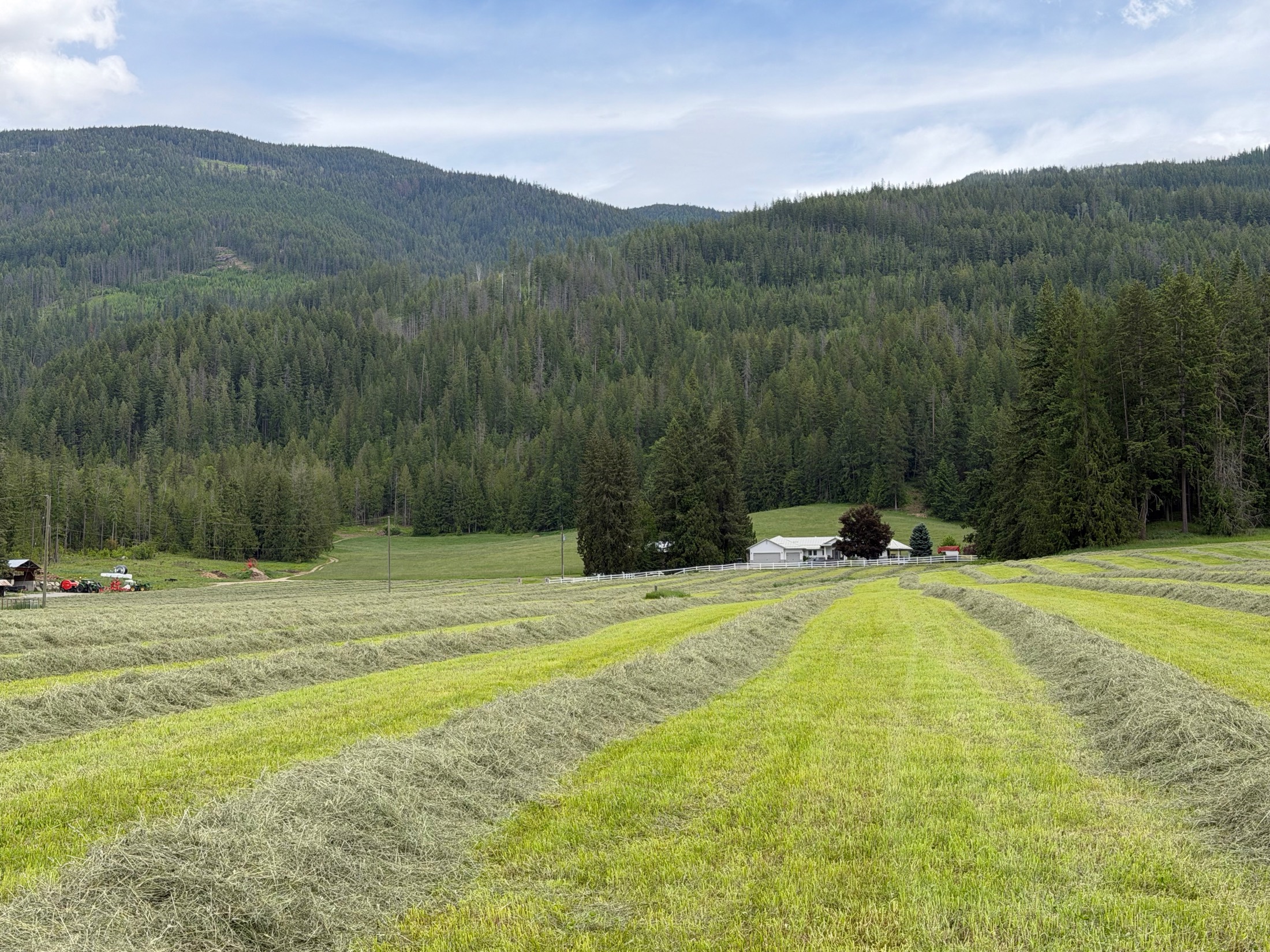
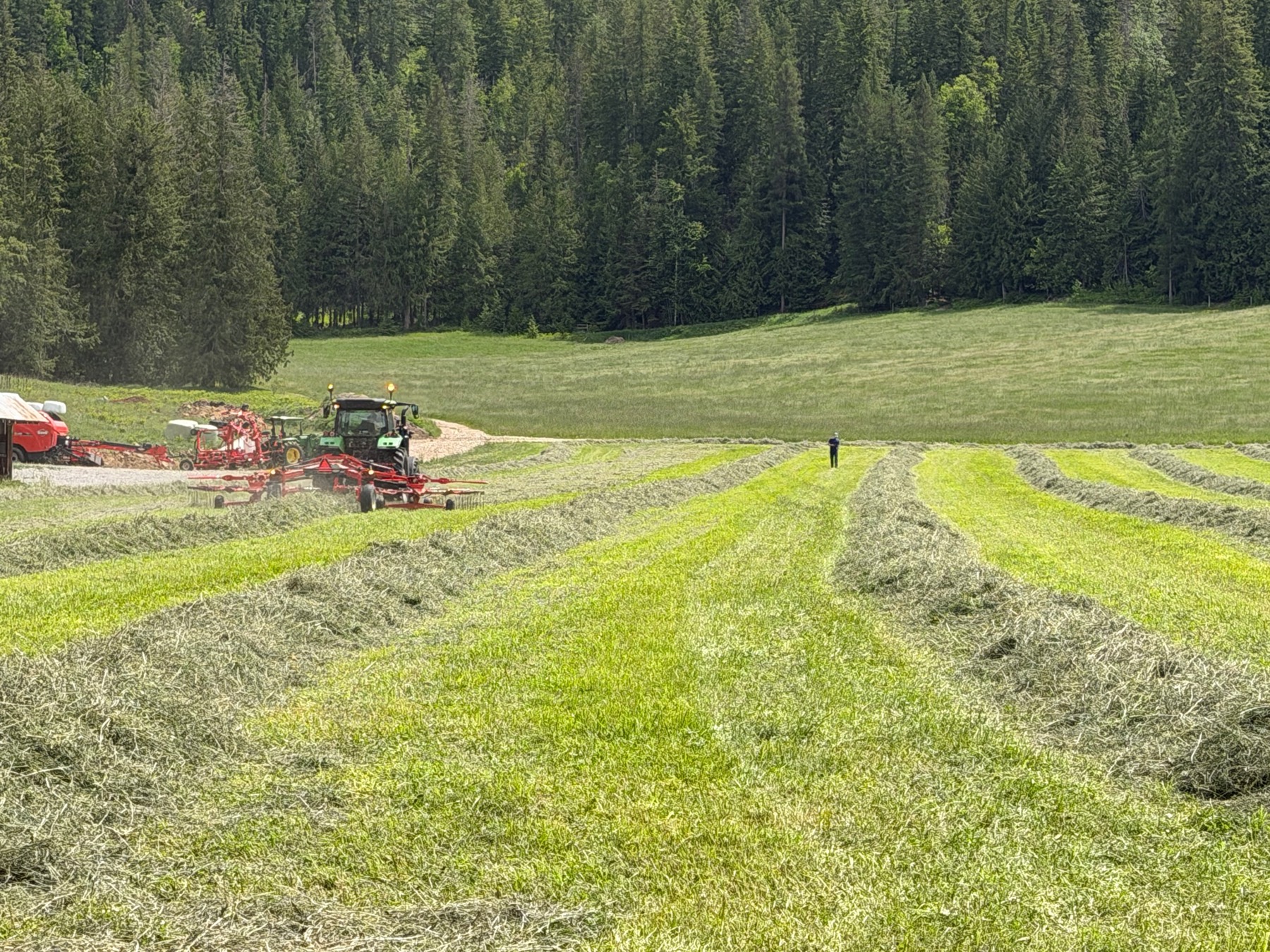
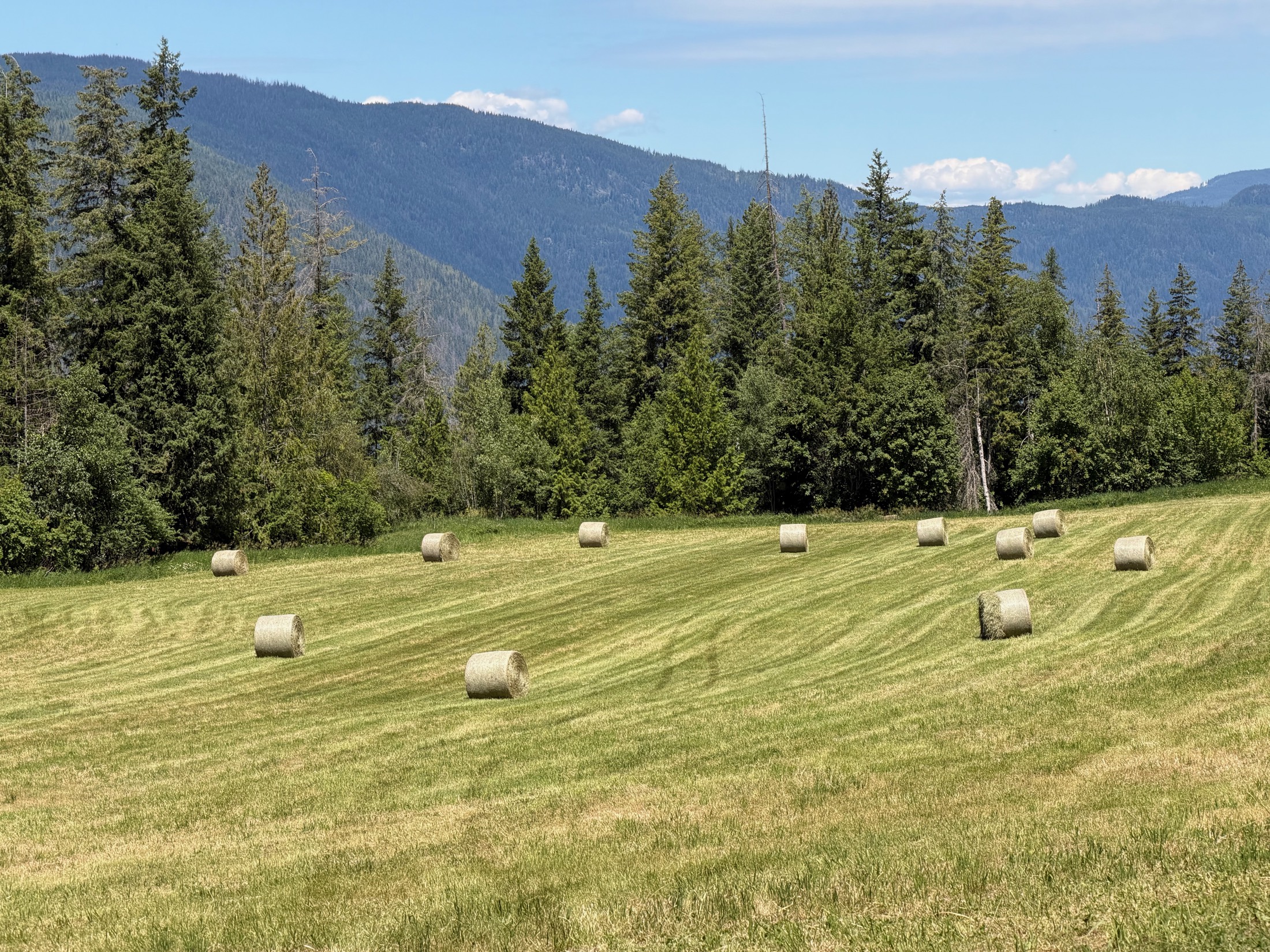
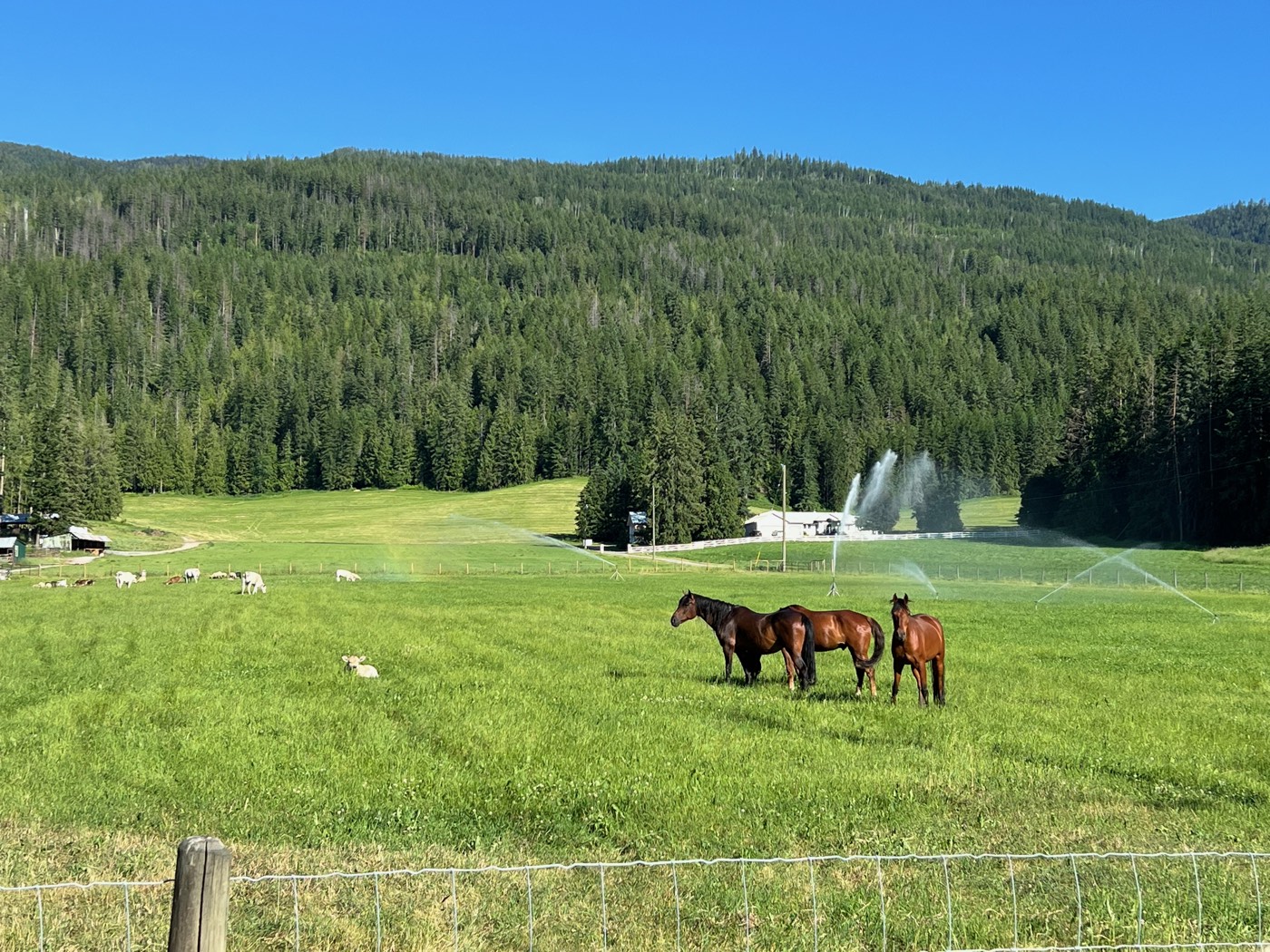
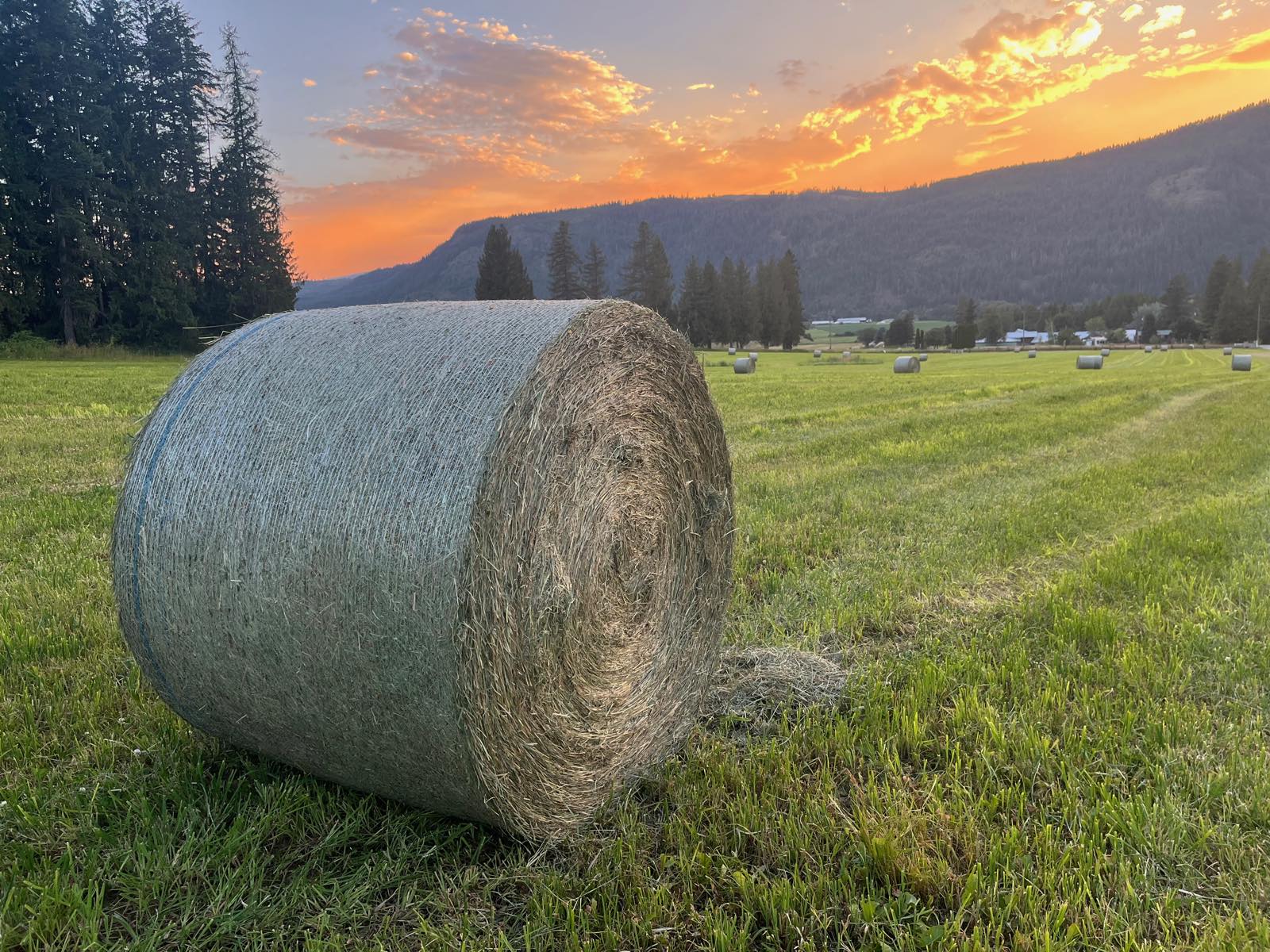
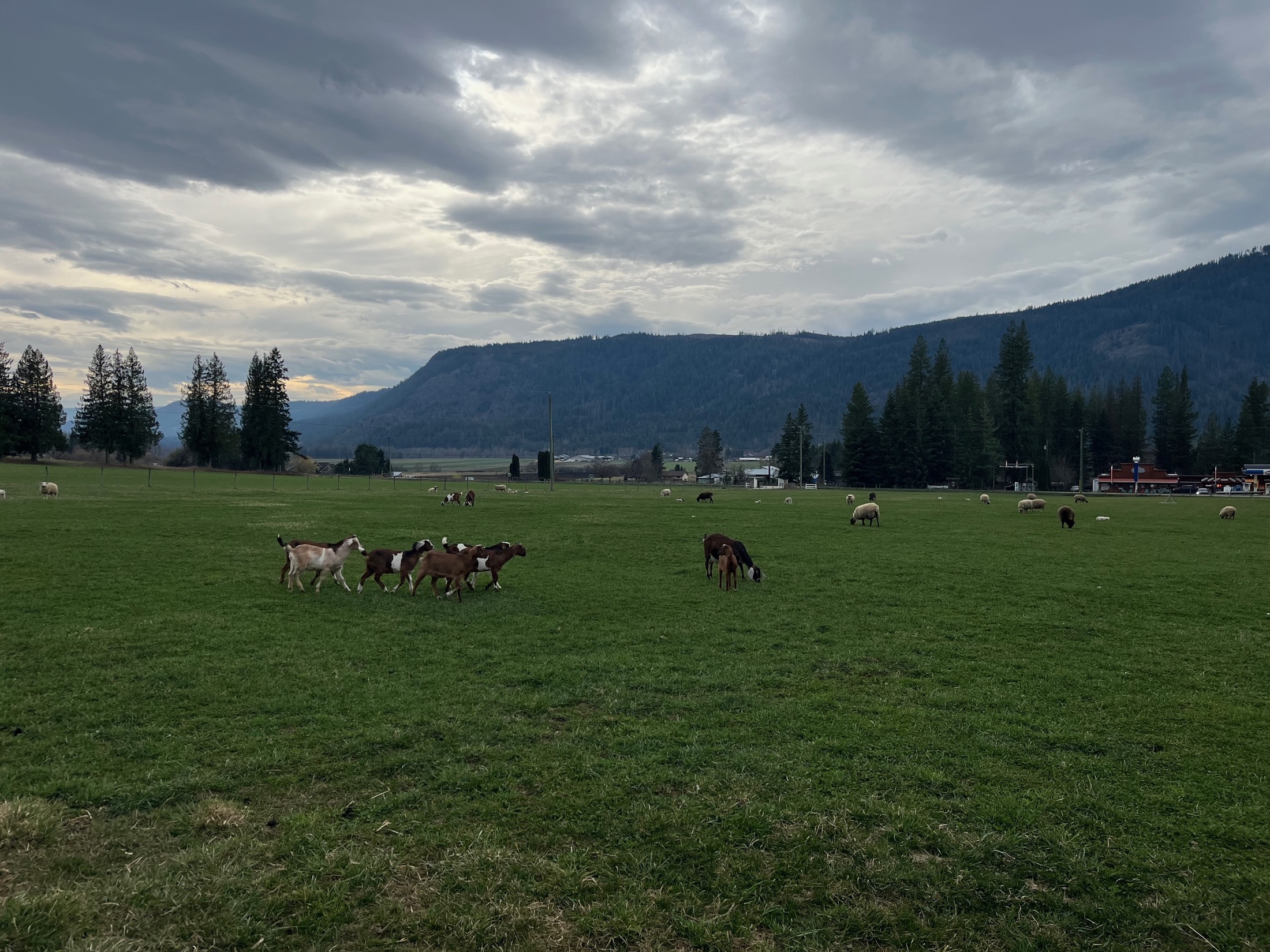
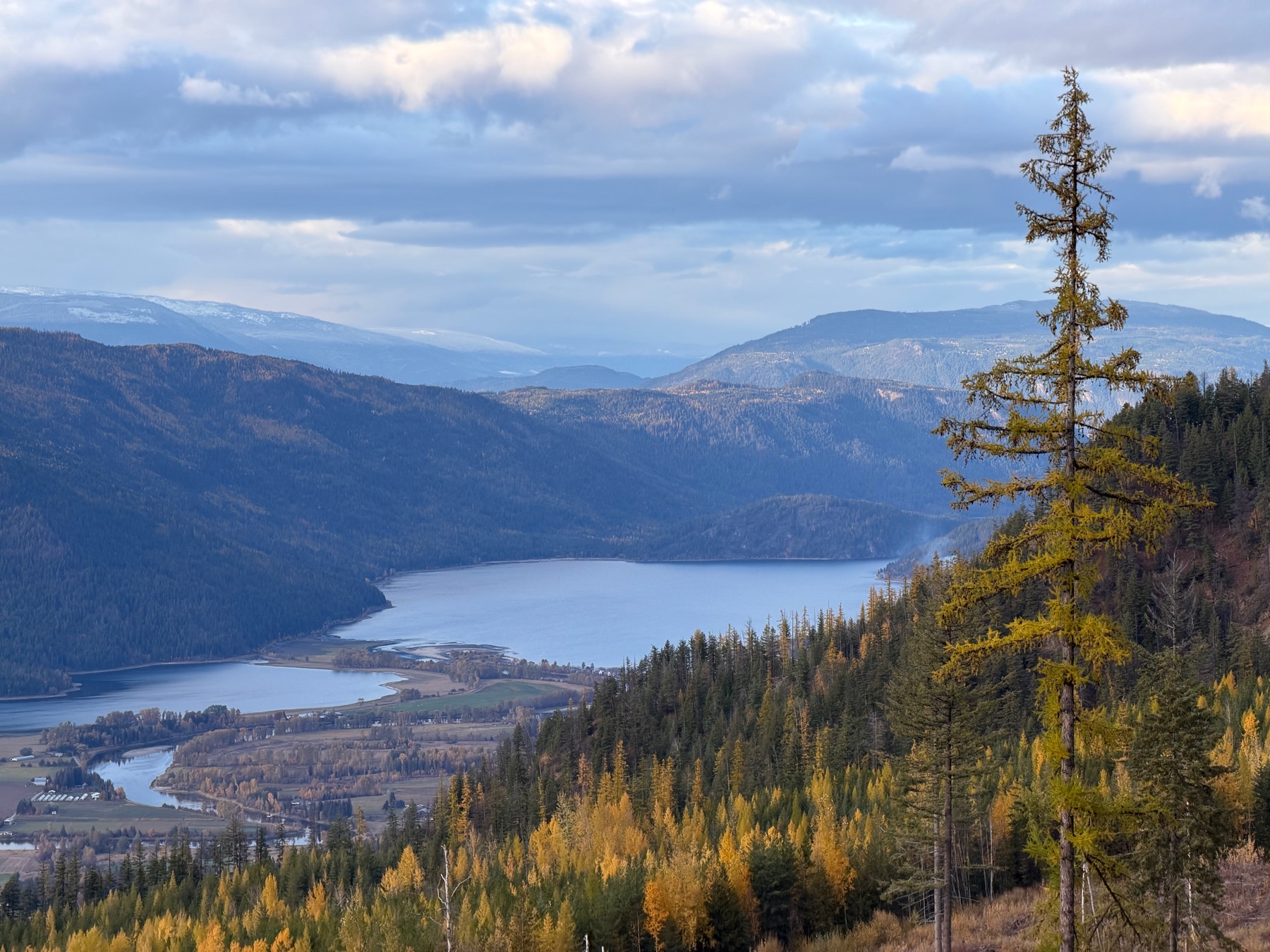
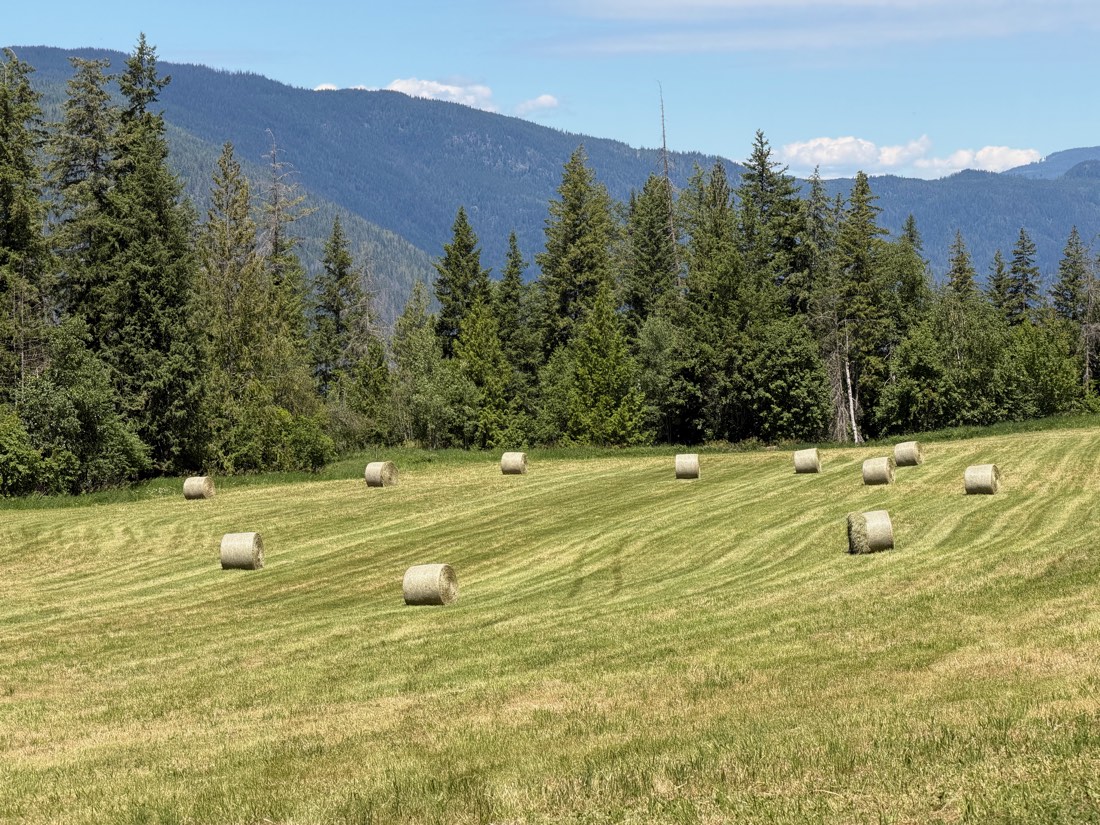
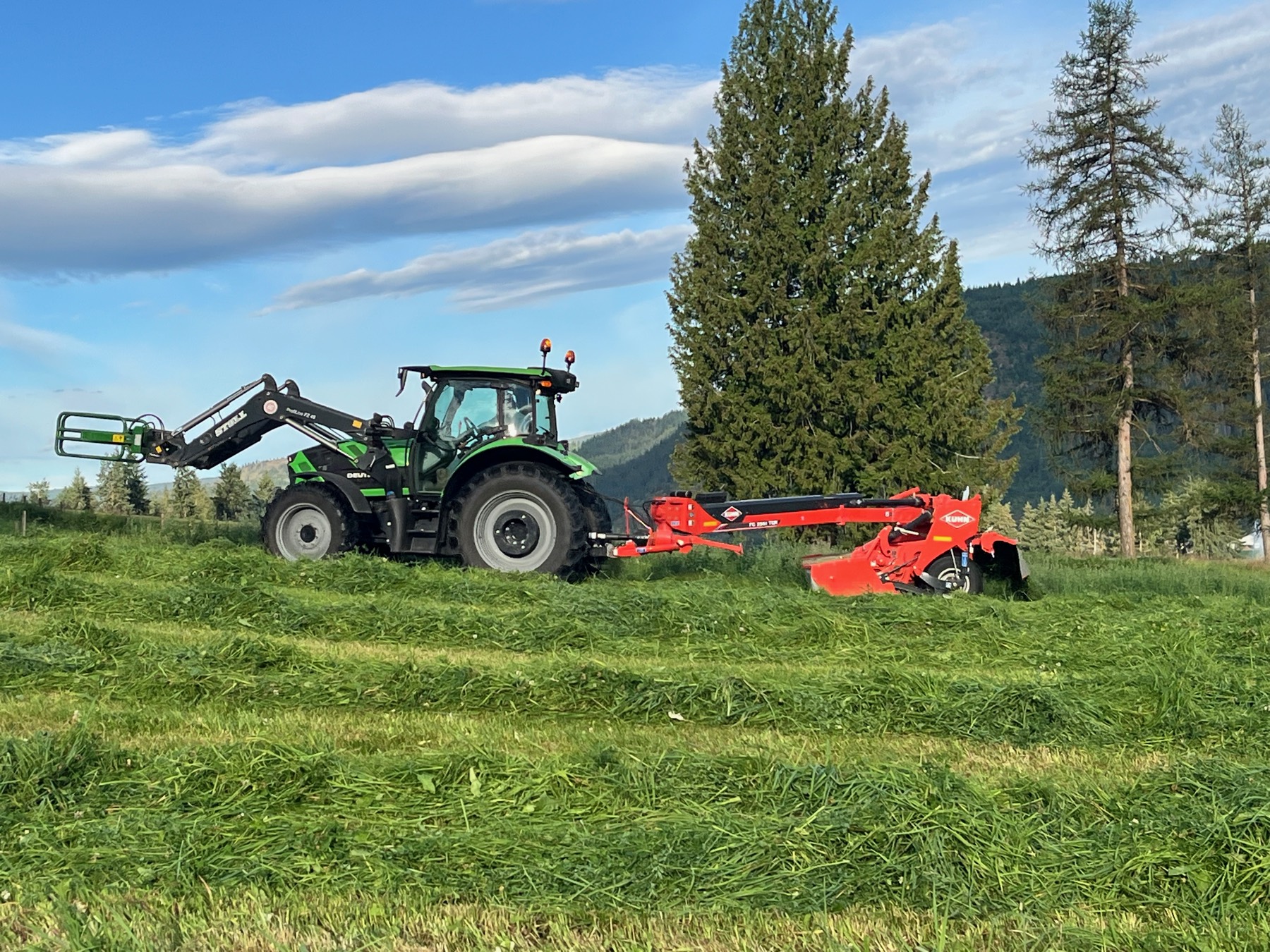
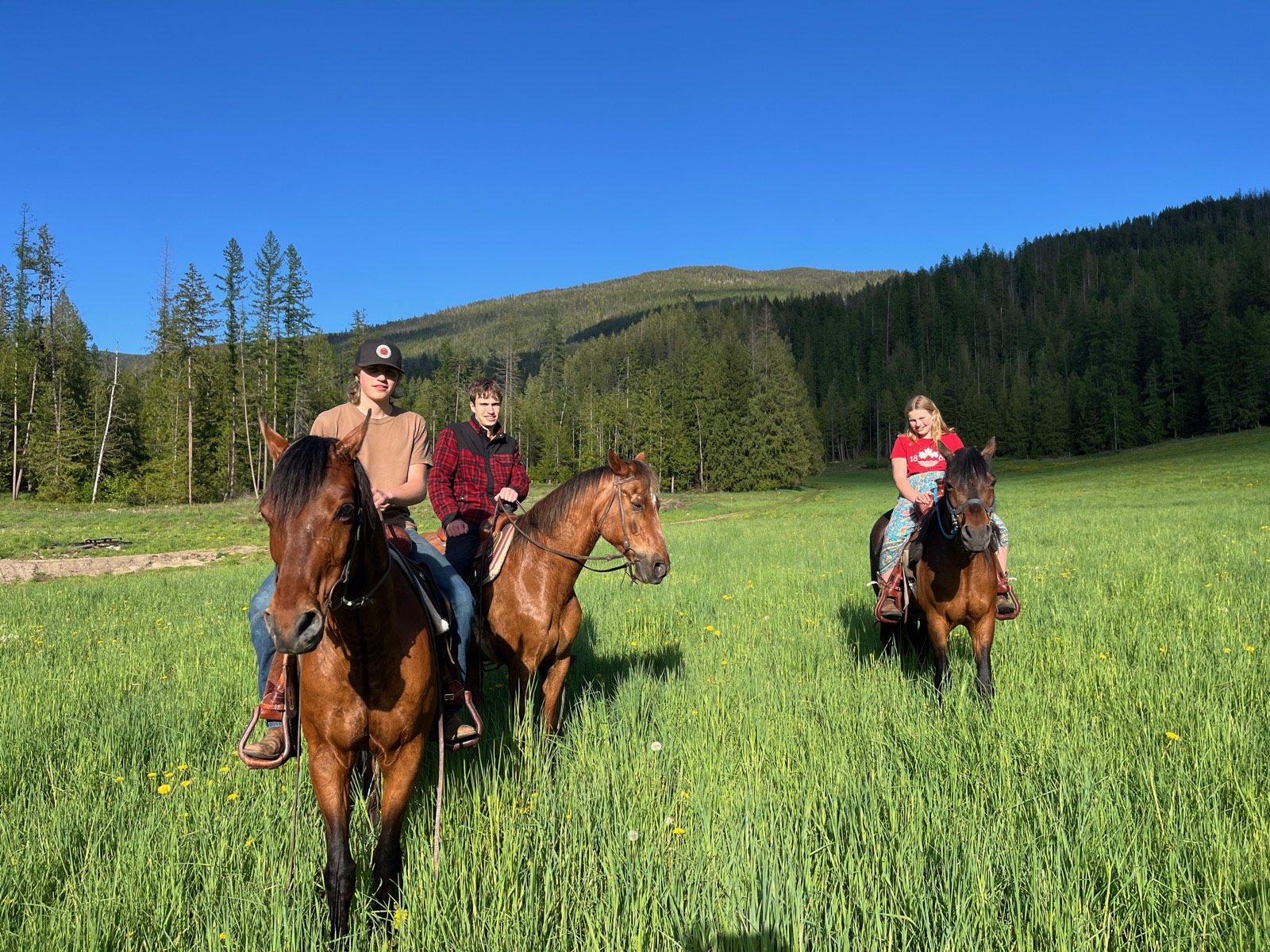
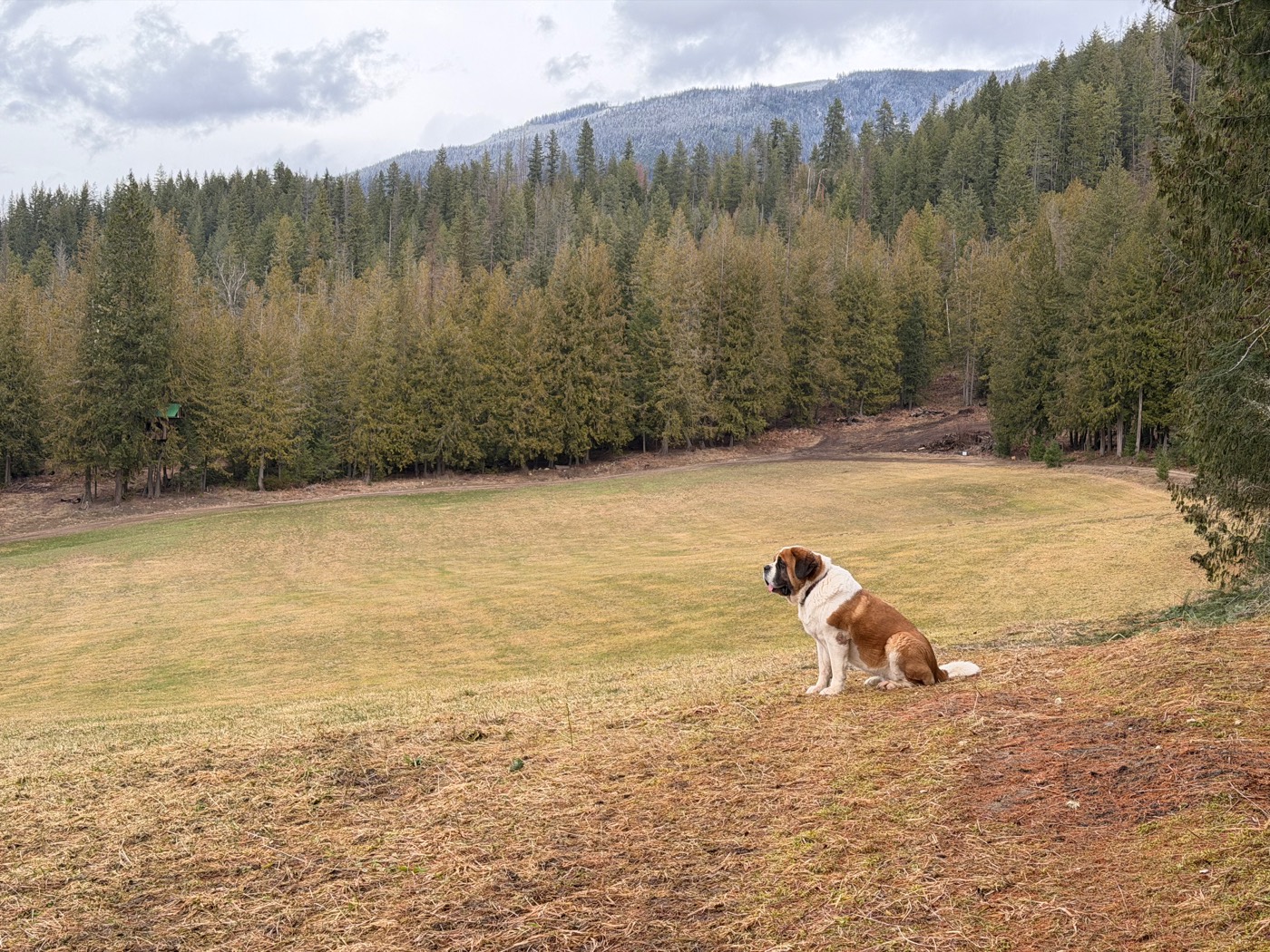
The hay grows on little fields of five to fifteen acres, joined by long farm roads and old
trails — lower fields at the level of the river, upper fields you climb to over a kilometer of
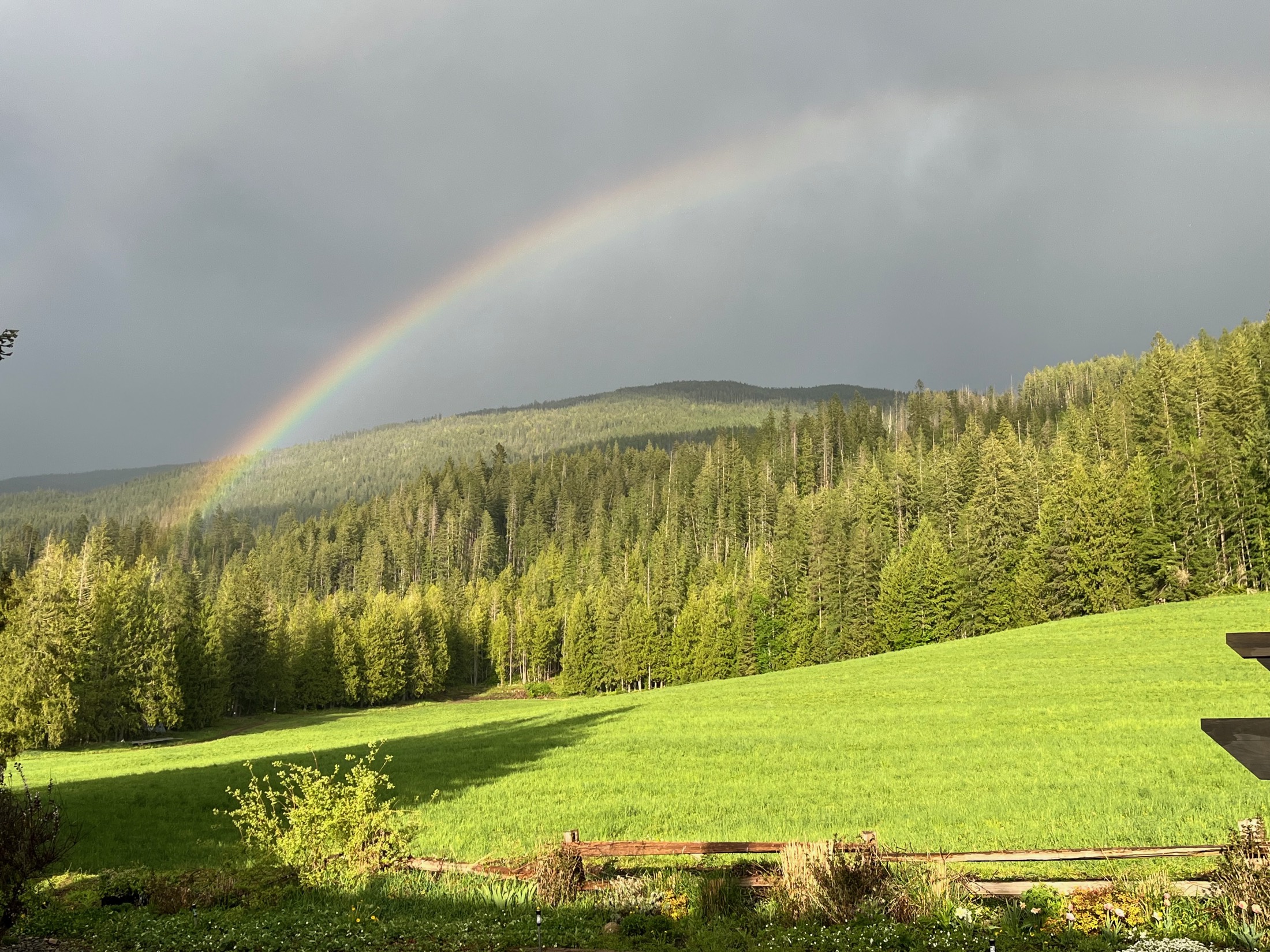
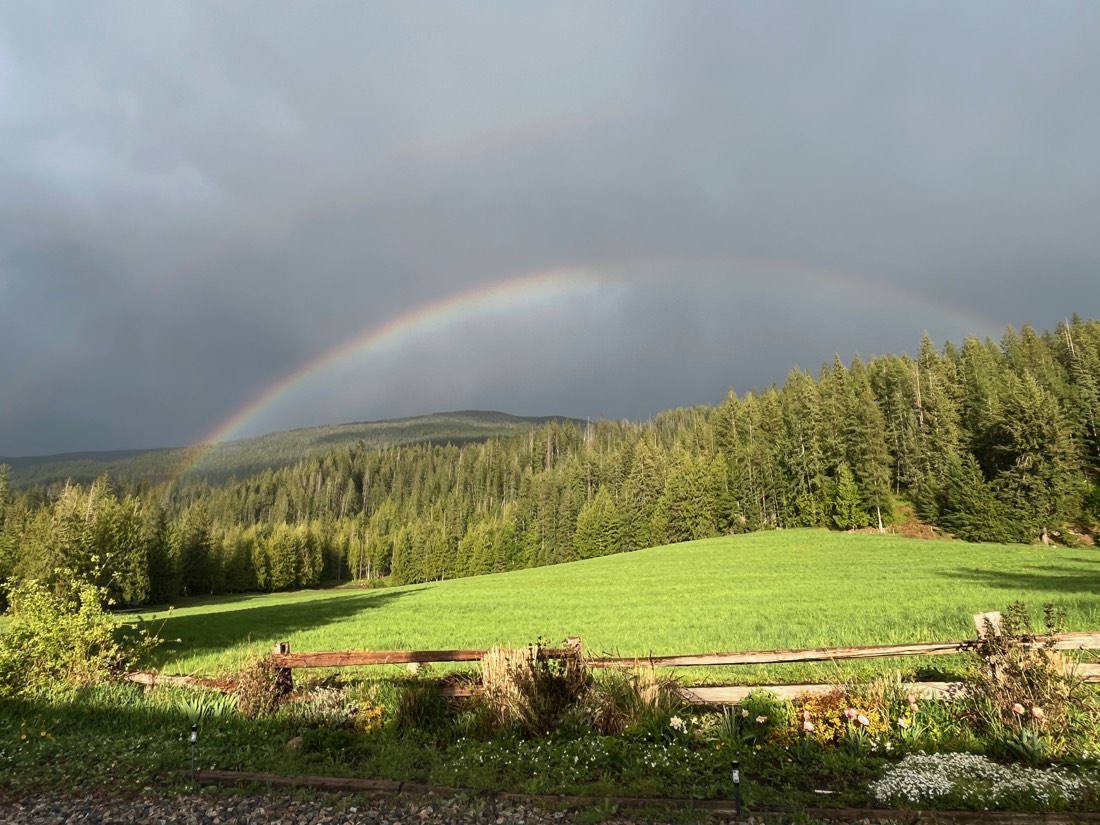
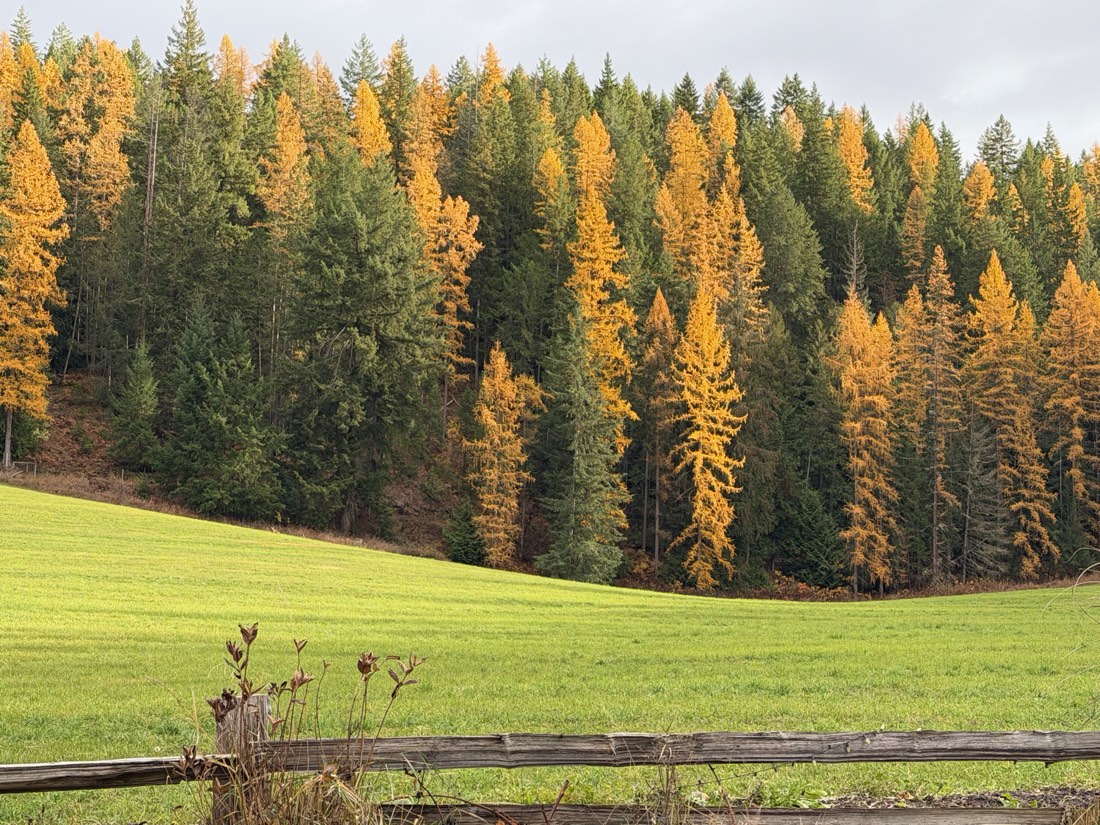
backroad. Just a few hundred yards behind the house the mountains rise and the forest closes in:
a thin boundary between the comfortable, cultivated world of the farm and the tangled ravines and
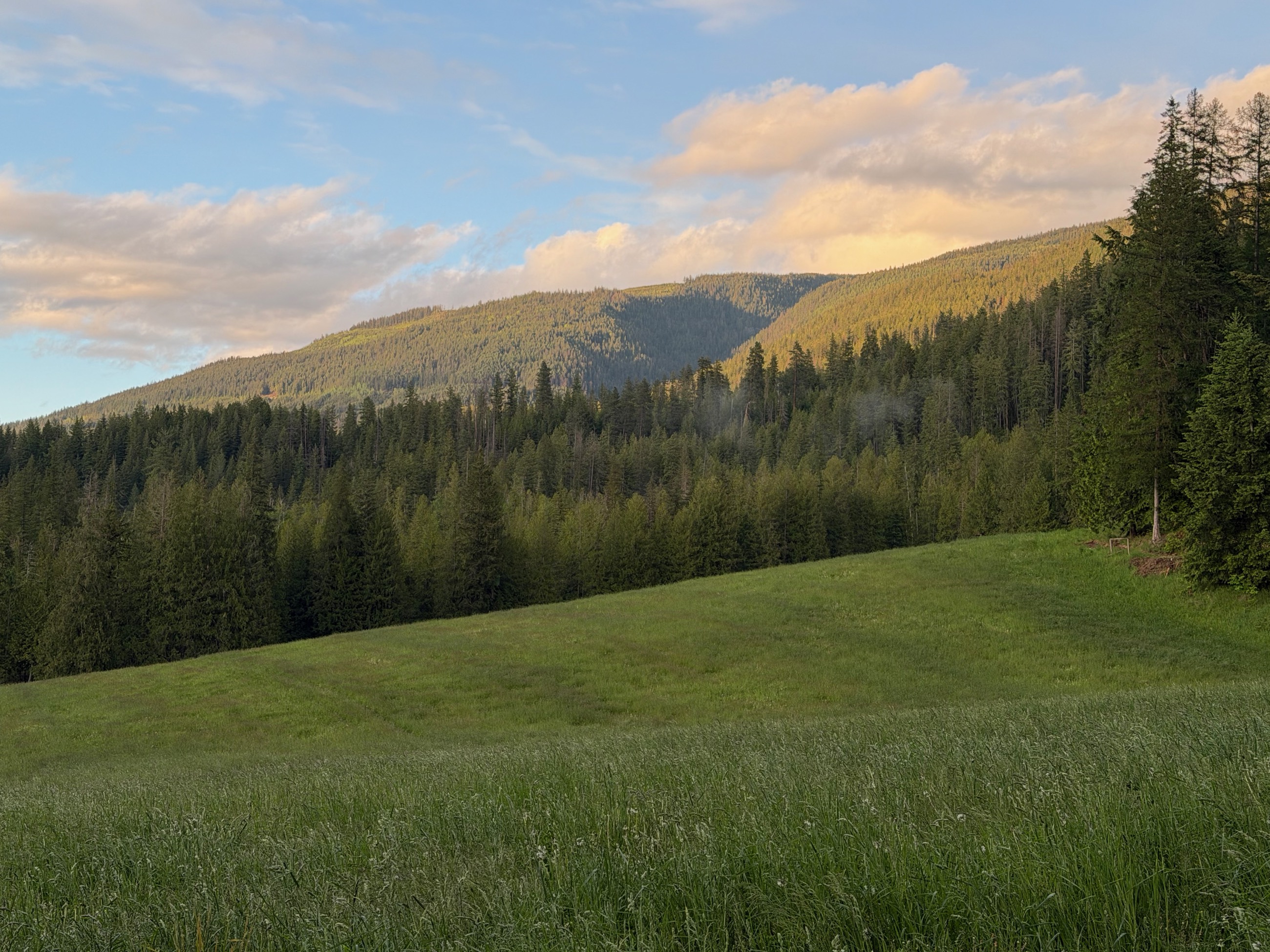
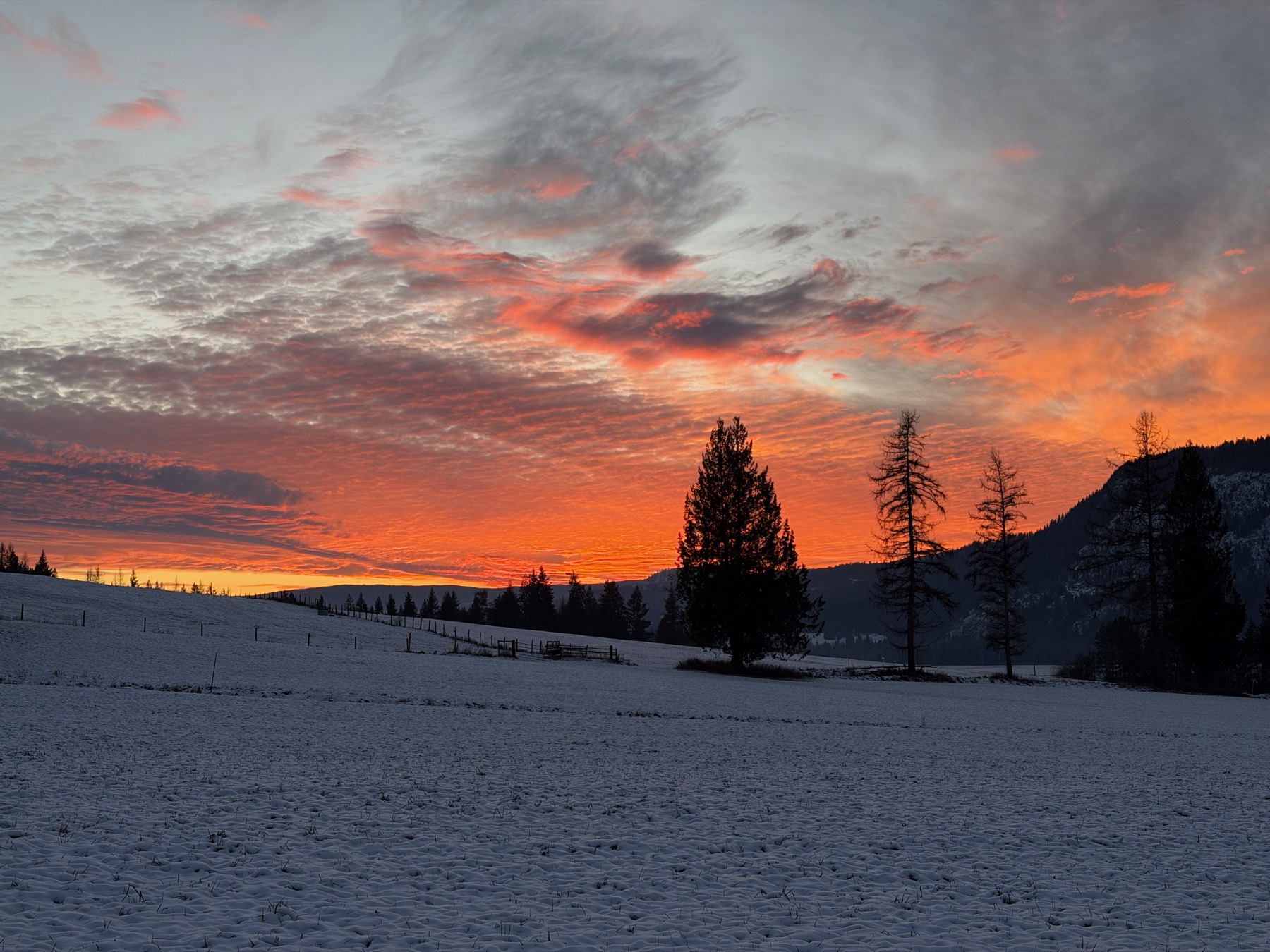
crumbling ridges above. The mountain is a constant presence — brooding some days, glowing with the
sun's last light on others, heavy and smothering with snow all winter. Its water and its wildlife
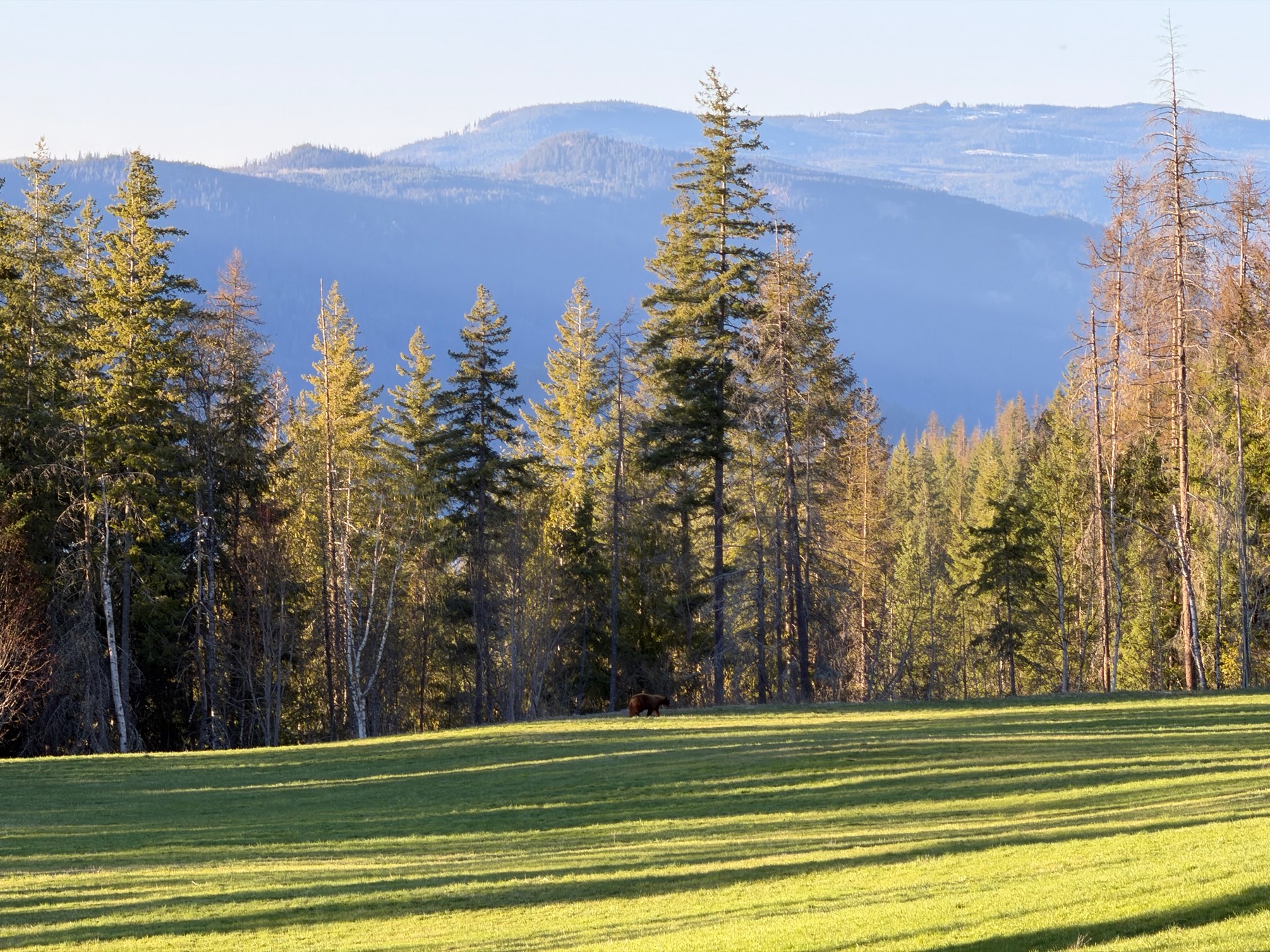
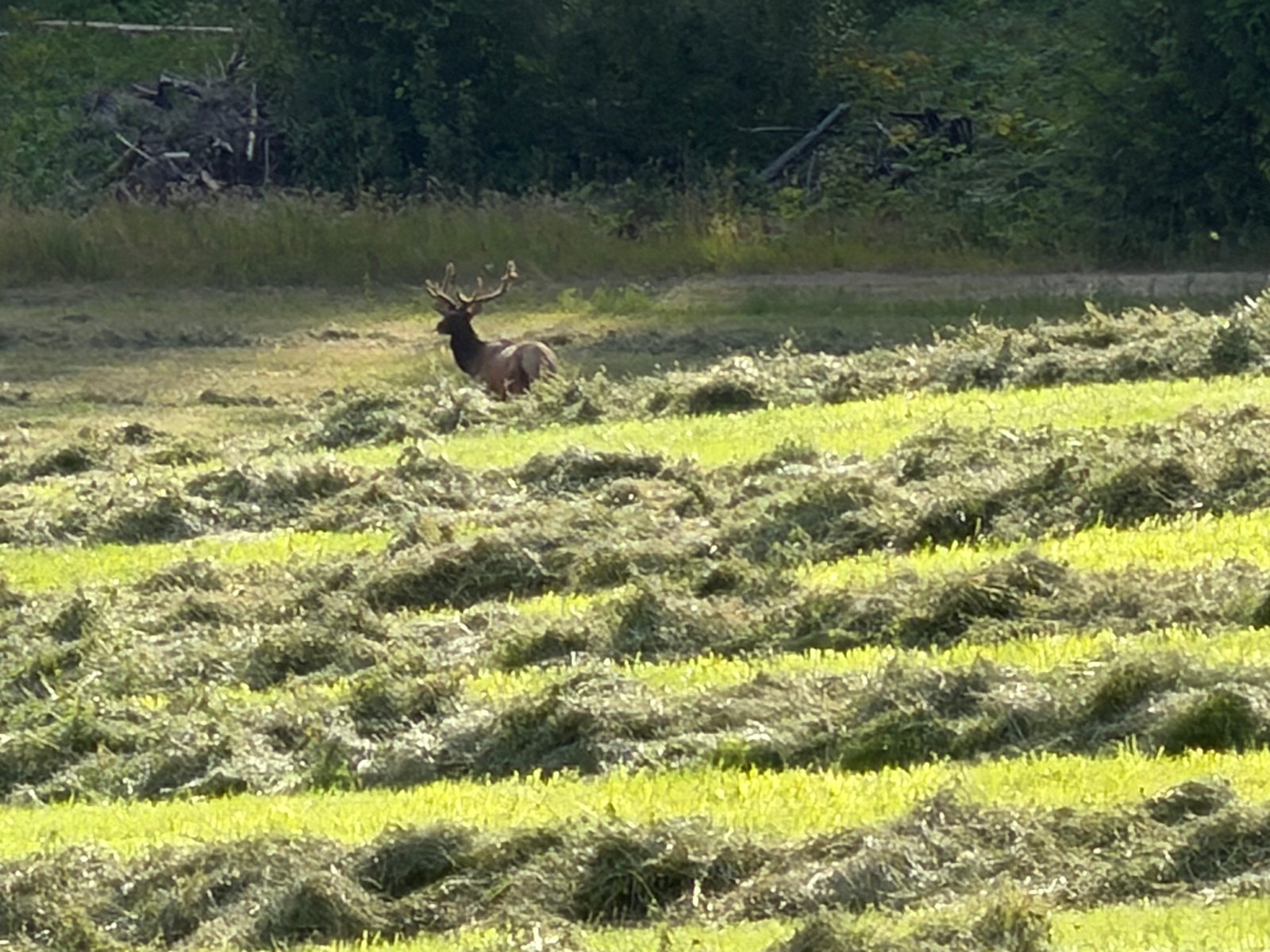
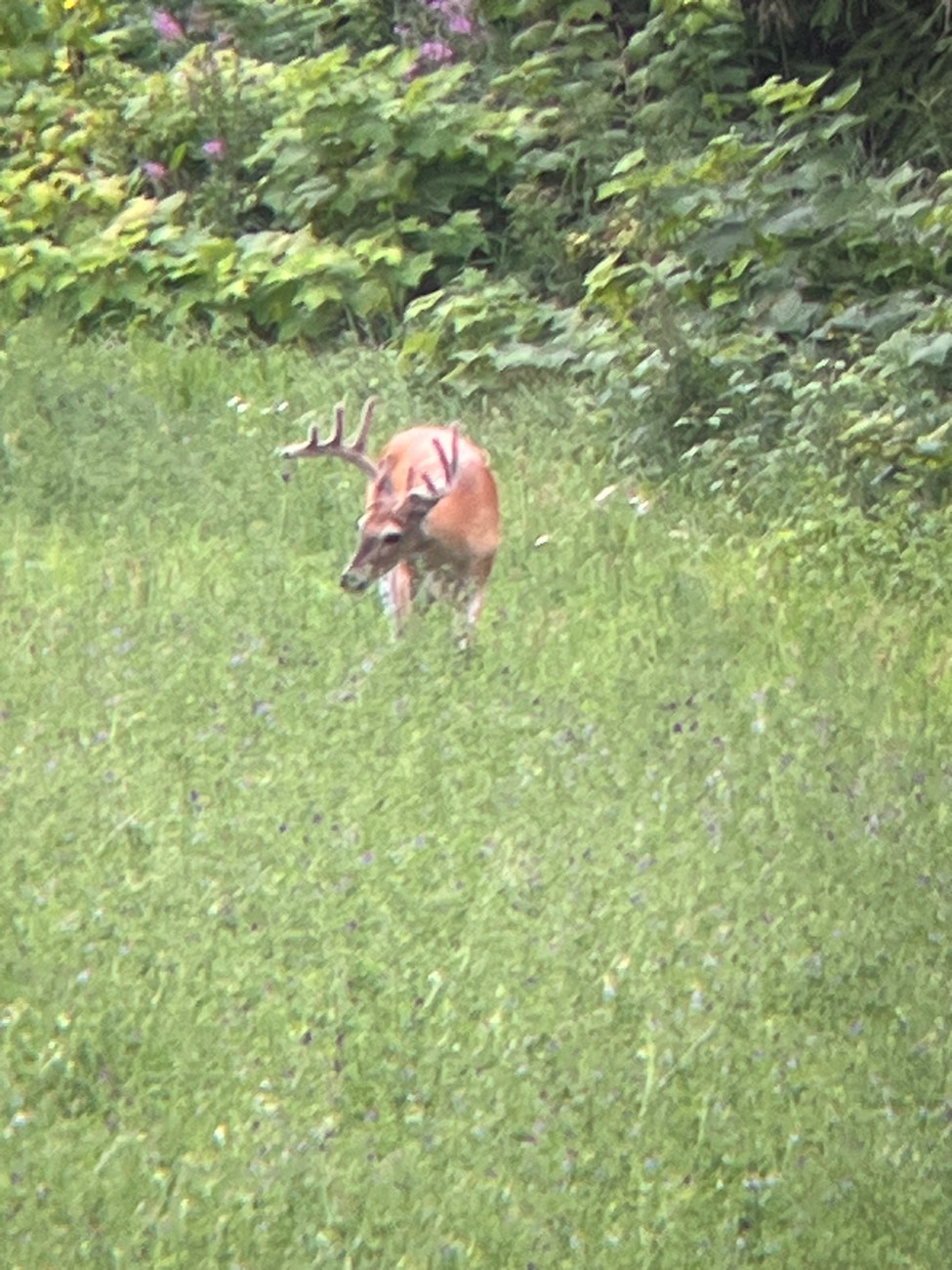
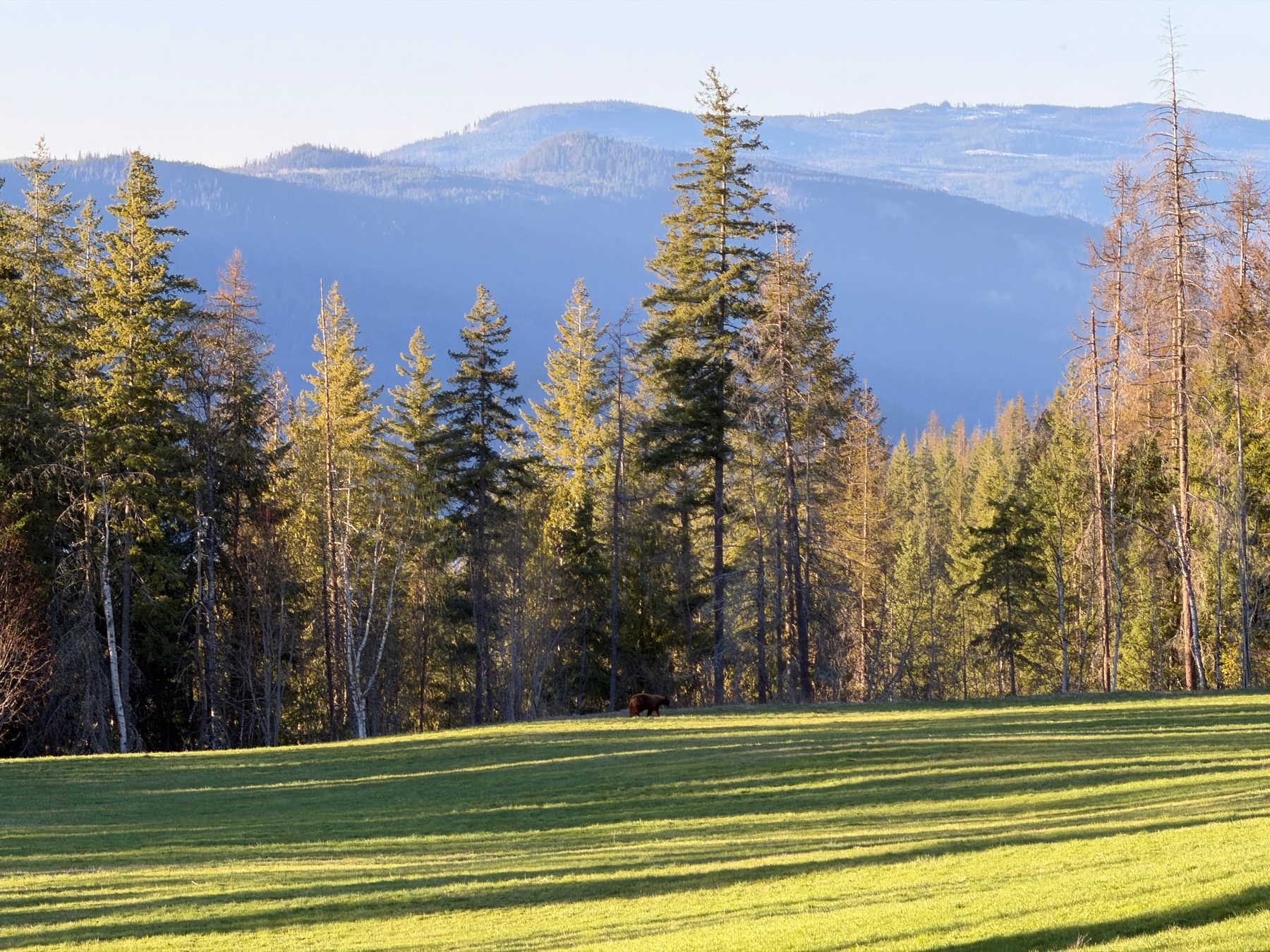
both come down to us. The elk and deer are usually content with a mouthful of alfalfa, and so are
the black bears that amble along our trails — but the odd coyote, bobcat, or bear will follow its
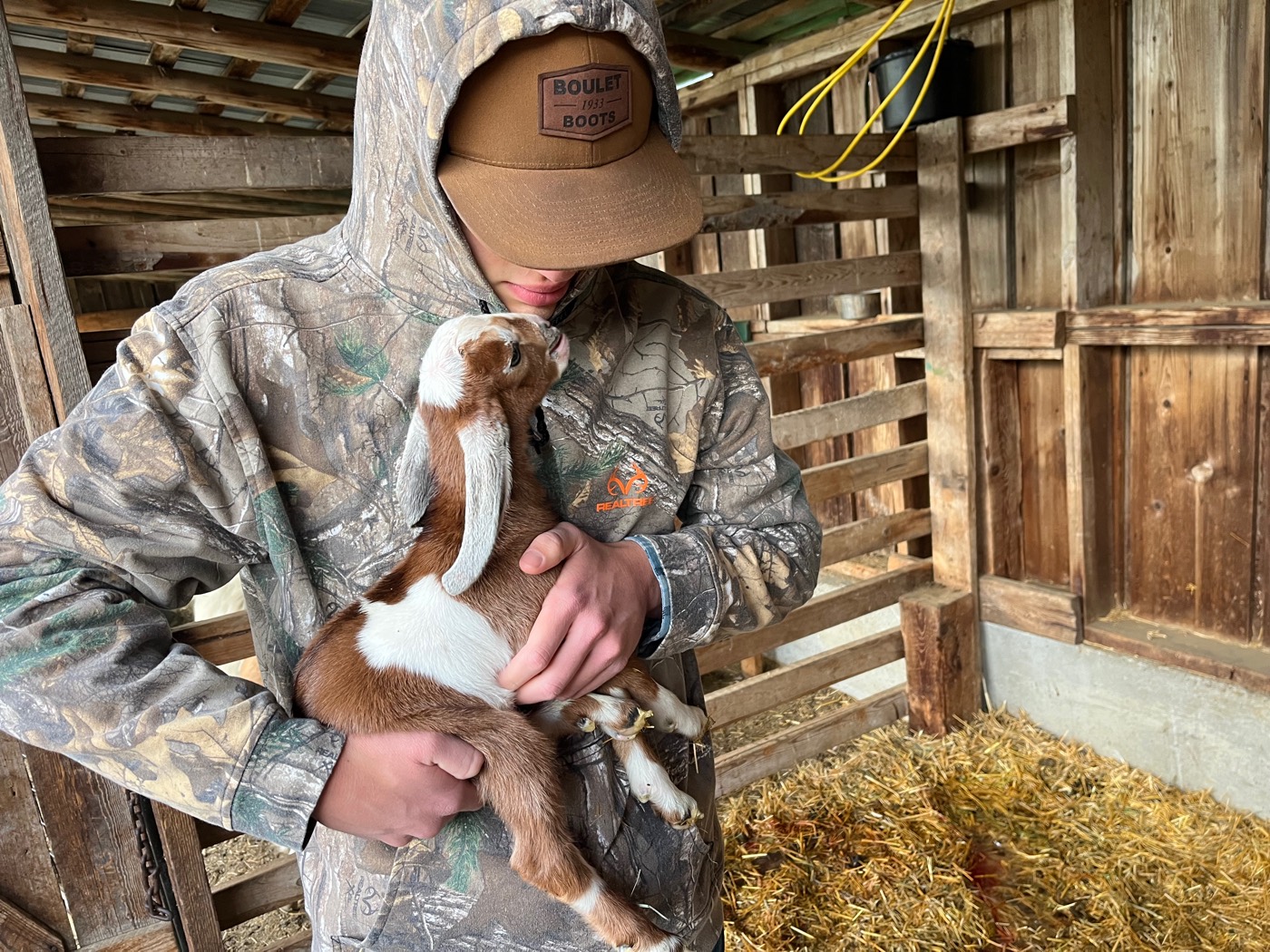
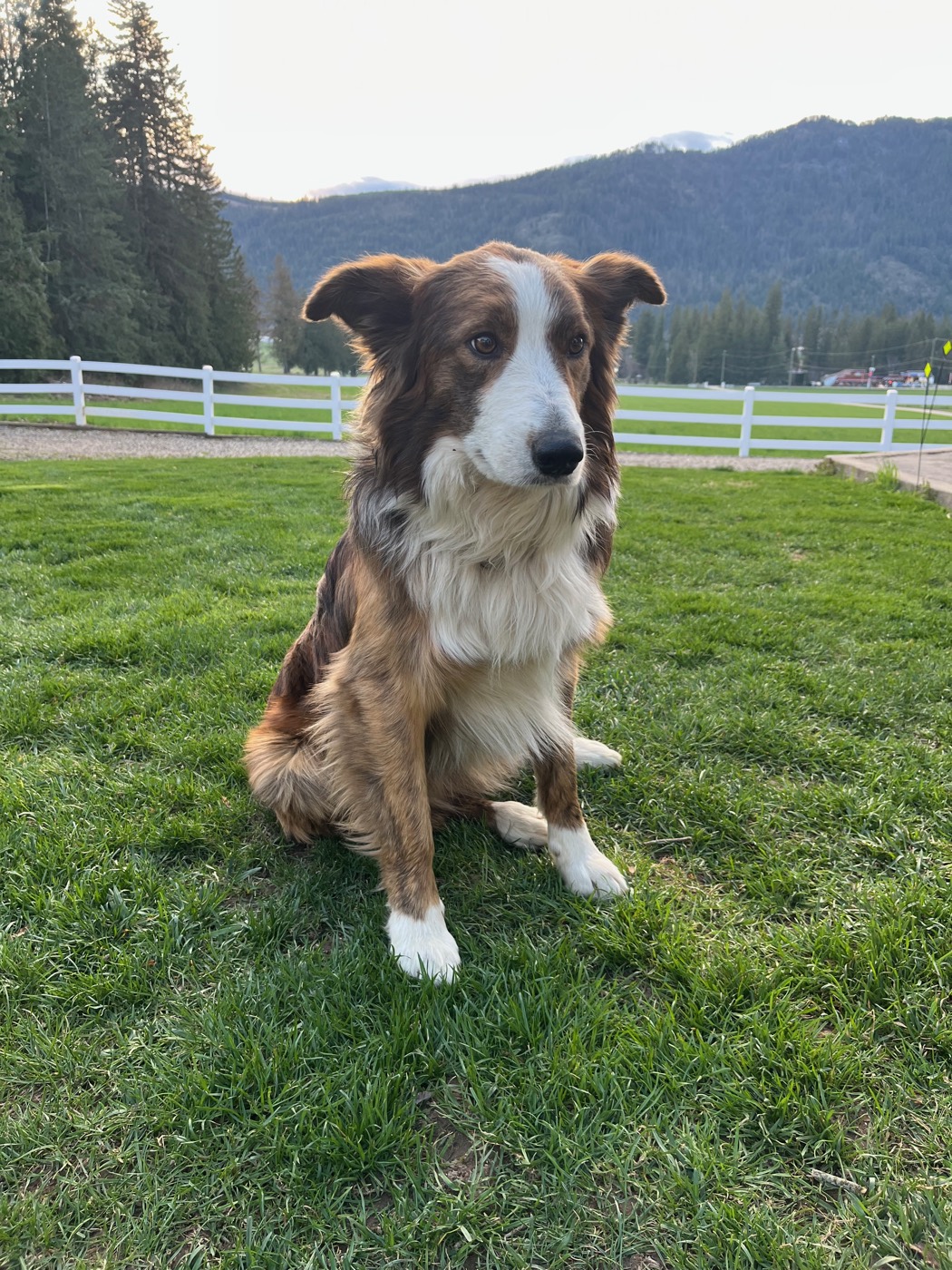
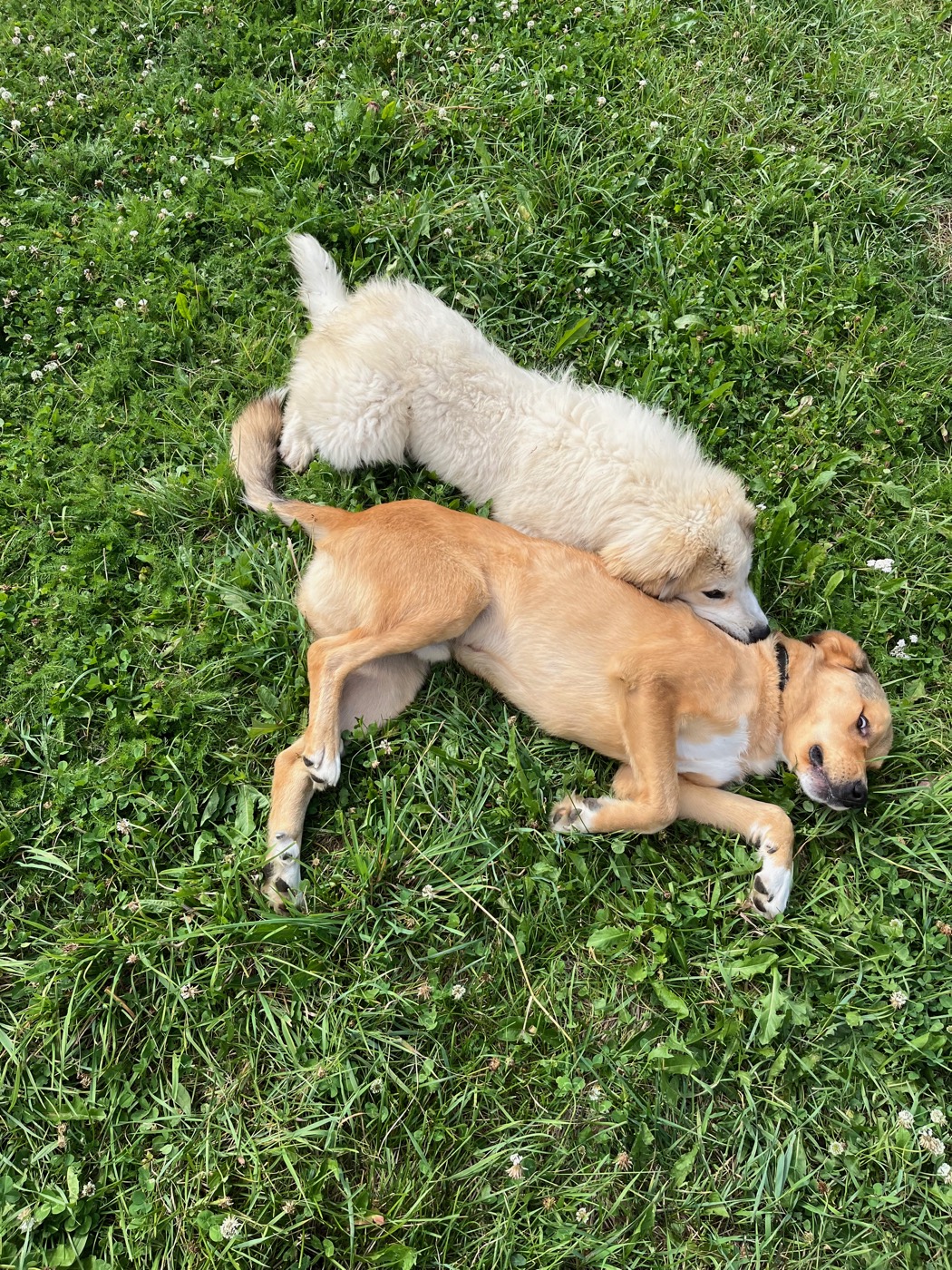
nose to the sheepfold, where the guardian dogs keep them at bay.